BMX Parks Explained: What You'll Actually Find Inside One

Over 155 verified BMX parks are listed on Skate Park Pal, and they average a 4.6-star rating across the board. That's not a fluke. Riders who find a good BMX park tend to come back, rate it well, and tell their friends. But if you've never walked into one of these places before, the experience can feel a little overwhelming at first.
So let's break it down plainly. What exactly is a BMX park, what do you find inside, and how is it different from a regular skate park or a pump track?
What a BMX Park Actually Is
A BMX park is a dedicated riding facility built specifically around BMX bikes. Not scooters, not skateboards, not inline skates. BMX. Some facilities allow other riders during certain sessions, but the features, the layout, and the obstacles are designed first and foremost for BMX riding.
Most BMX parks fall into one of two categories: indoor and outdoor. Outdoor parks are often free or low-cost, run by local councils or private operators, and open during daylight hours. Indoor BMX parks charge a session fee, usually somewhere between $10 and $20 depending on the facility and your age, and they run controlled sessions so the floor doesn't get dangerously overcrowded.
And here's something a lot of first-timers don't realize: many BMX parks also have a foam pit. It's exactly what it sounds like. A massive box filled with foam cubes where riders can try tricks off a ramp without landing on hard ground. If you're learning something new, that pit is your best friend.
Walking into one for the first time, you'll probably notice the smell before anything else. Rubber, grip tape, and a faint metallic tang from the ramps. It's oddly specific. Indoor BMX parks especially have that smell locked in.
What to Expect Inside
Most BMX parks share a fairly consistent layout, even if the scale varies a lot. You'll usually find a mix of street-style obstacles and ramps. Street features include rails, ledges, manual pads, banks, and stairs with gaps. Ramp features include quarter pipes, half pipes, spines, and box jumps.
Bigger facilities might separate these zones. Smaller ones pack everything into one area, which can actually work fine once you get used to reading the flow of traffic on the floor.
Session rules matter. Most indoor BMX parks run 90-minute to 2-hour sessions, and they cap the number of riders allowed in at once. This keeps things manageable. You won't be dodging 40 riders in a cramped space. Staff are usually on the floor or watching from an elevated position, and there's almost always a basic safety briefing for new visitors.
Helmet requirements are standard. Full-face helmets are often required for younger riders or for anyone using the foam pit. Pads are sometimes mandatory too, but it varies by park. Check before you go. Nothing worse than getting turned away at the door because you didn't bring the right gear.
Some parks rent equipment on site. Helmets, pads, and occasionally bikes. Rental quality varies wildly, honestly. Some facilities have decent gear. Others have helmets that look like they survived the 2008 financial crisis. If you have your own gear, bring it.
How BMX Parks Differ from Skate Parks and Pump Tracks
This is where people get confused. BMX parks, skate parks, and pump tracks overlap in some ways but serve pretty different purposes.
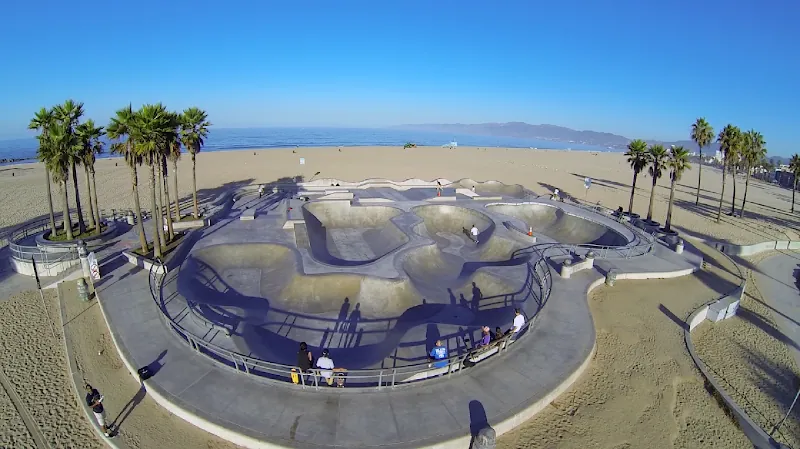
A traditional skate park is built for skateboarding first. The bowl depths, the coping angles, the ledge heights, all of it is optimized for skate tricks. BMX riders can and do ride skate parks, but the features aren't always ideal for bikes. A BMX park flips that equation. Ramps are often bigger, landings are wider, and the whole layout assumes you're rolling in on two wheels with handlebars.
Pump tracks are something else entirely. A pump track is a looping course of rollers and bermed corners designed to be ridden without pedaling, just by pumping your body weight through the bumps. They're smaller, usually outdoor, and great for building skills. But they're not the same as a full BMX park. You can't do ramp tricks on a pump track.
BMX parks sit in the middle of that spectrum, closer to full skate parks in scale and variety, but purpose-built for bikes. Some skate parks have a dedicated BMX section, which muddies the waters a bit. If you're searching for a pure BMX-focused facility, look for parks that list BMX-specific features in their descriptions rather than generic "all wheels welcome" spots.
Finding the Right BMX Park for Your Skill Level
Skill level matters more at BMX parks than people admit. A beginner showing up to a park dominated by experienced riders doing 10-foot transfers is going to have a rough session. Not because anyone's being unfriendly, but because the flow of the park is built around a certain skill ceiling.
Look for parks that explicitly offer beginner sessions or have a dedicated beginner area. Many indoor BMX parks run structured sessions for younger or newer riders, separate from open sessions. These are genuinely worth seeking out. You'll get more time on the features, less pressure, and often some informal coaching from staff.
Intermediate riders are well served by most standard open sessions. You'll find enough variety to work on new tricks without being in the way of the more advanced riders.
Advanced riders should look for parks with big ramps. Specifically, look for parks listing spine ramps, mega ramps, or competition-style half pipes. These are less common, but they exist in the directory. A 4.6-star average across these facilities suggests most are well-maintained and worth the session fee.
One practical tip: visit on a weekday if you can. Weekend sessions at popular BMX parks fill up fast, and some parks require advance booking online. A Tuesday afternoon session at the same park can feel like you have the place to yourself.
Frequently Asked Questions
- Do I need my own BMX bike to visit a BMX park? Not always. Some facilities offer bike rentals, but availability and quality vary. Calling ahead to confirm is worth the two minutes.
- Is a BMX park suitable for kids? Yes, many BMX parks have specific junior sessions or beginner-
More Ways to Save