Everything You Actually Need to Know Before Skating an Outdoor Park

Over 155 verified outdoor skate parks are listed on Skate Park Pal, and they average 4.6 stars across the board. That's a surprisingly high bar for a facility type that's often just concrete and open sky. No roof, no climate control, sometimes no staff on site. Yet skaters keep coming back and rating these places near the top.
So what makes outdoor skate parks work? And if you've never visited one, what should you actually expect when you show up?
What an Outdoor Skate Park Actually Is
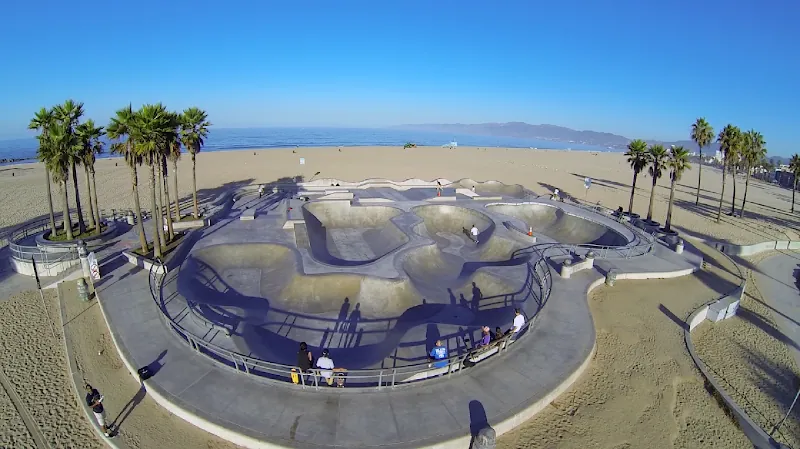
An outdoor skate park is a purpose-built public or semi-public space with concrete, asphalt, or metal features designed specifically for skateboarding, BMX riding, inline skating, and sometimes scooters. Think bowls, rails, ledges, quarter pipes, and flat banks, all arranged across an open area with no walls or ceiling above you.
Most are free to use.
That surprises a lot of first-timers. Unlike indoor facilities, outdoor skate parks are frequently built and maintained by city parks departments, which means access is usually open to anyone during posted hours. You do not need to sign a waiver at a front desk or pay a session fee. You just show up.
Some outdoor skate parks are massive, covering several thousand square feet with multiple distinct zones for beginners and advanced skaters. Others are small neighborhood spots, maybe just a couple of ledges and a bank ramp tucked into a corner of a community park. Both count. Both have their value depending on what you're looking for that day.
Worth knowing: the quality of the concrete matters a lot more than the size. A small, well-maintained park with smooth poured concrete beats a sprawling facility with cracked, patchy surfaces every single time.
What to Expect When You Arrive
Walking in for the first time, you'll notice the vibe is almost always self-regulated. There's no staff member directing traffic or enforcing line order. Skaters follow an unwritten drop-in system: wait for a gap in the flow, take your run, clear the feature, repeat. It sounds chaotic. It mostly isn't.
Gear expectations vary by location. Some outdoor skate parks post helmet requirements, especially those managed by city parks departments with liability concerns. Others have no posted rules at all. Checking the specific park's listing before you go is genuinely useful, not just box-checking.
You will want to arrive with your own equipment. Outdoor parks do not rent boards or pads. That's a key difference from indoor skate facilities, which often have rental gear on-site. Bring your board, your helmet if you use one, and enough water for a full session, especially in summer. Shade is not always available, and the concrete radiates heat something fierce on a hot afternoon.
Parking is usually nearby but rarely dedicated. Most outdoor skate parks are inside larger public parks, so you're sharing a lot with families, dog walkers, and whoever else is using the green space that day. Some of the busier urban parks have street parking only, and that can be tight on weekends.
How Outdoor Parks Differ from Indoor Skate Facilities
Indoor skate parks and outdoor skate parks serve different purposes, even if the features look similar. Here's where they actually split apart.
Weather is the obvious one. Outdoor skate parks are unusable in heavy rain, not just because you'll get wet, but because wet concrete and smooth wheels are a bad combination. Many skaters check the forecast the same way a surfer checks swell reports. It becomes second nature.
Indoor facilities usually charge a session fee, often between $10 and $20, and they offer controlled surfaces, lighting, and often some form of supervision or staff presence. They're better for younger kids who need oversight, and they're the only real option during winter in colder climates. But they can also feel crowded and rushed during peak hours, with session time limits pushing you off the floor before you're done working on something.
Outdoor skate parks have no time limits. You can spend four hours on a single trick if you want. Nobody's going to ask you to leave because the next session is starting. That open-ended quality is something indoor parks genuinely cannot replicate, and it's probably a big reason why outdoor facilities rate so consistently well.
And the atmosphere is different. Hard to put a precise number on it, but outdoor parks tend to attract a wider mix of skill levels throughout the day. You'll see kids learning to push for the first time right alongside experienced skaters throwing technical tricks in the bowl. Indoor parks sometimes feel more stratified, with beginners sticking to one zone and advanced skaters dominating another.
Quick Tips Before Your First Visit
- Check the park's listing for posted hours. Many outdoor skate parks close at dusk or have specific operating hours set by the parks department.
- Go on a weekday morning if possible. Crowds are smaller, you'll have more room to work on things, and the concrete is cooler in the early hours.
- Scope the features before you skate them. Walk around the park first, look at the transitions and lips, and figure out which spots match your level. Committing to a feature blind is how most beginner injuries happen.
- Bring water and sunscreen. This sounds obvious until it isn't, and you're 45 minutes into a session squinting into direct sun with no shade in sight.
- If a spot is occupied, wait. Dropping in on someone mid-run is the fastest way to have a bad time.
Frequently Asked Questions
Are outdoor skate parks free?
Most are. Parks operated by city or county recreation departments are typically free and open to the public. Some privately operated outdoor facilities charge a small fee, so check the listing details before you go.
Do I need a helmet at an outdoor skate park?
It depends on the specific location. Some parks post helmet requirements; others do not. Younger riders are more often subject to mandatory helmet rules even at parks without a general requirement. Check local rules, and wear one regardless if you're learning new tricks.
What's the best age to start skating an outdoor park?
There's no minimum age, but younger beginners do better starting at less busy times when they have more room and less pressure. A lot of parks also have beginner-friendly areas with smaller, gentler features that are less intimidating than the main bowl or street section.