What Actually Goes On Inside a Skate Park (And Why They're Not All the Same)

Over 155 verified skate parks are listed on Skate Park Pal, and they average a 4.6-star rating. That tells you something: people who find a good one tend to love it. But if you've never walked into one before, or you're trying to figure out which kind of park suits you, the differences between facilities can be genuinely confusing.
This breaks it down simply. What a skate park actually is, what you'll find inside, and how to tell a great one from a mediocre one before you even lace up.
1. What a Skate Park Actually Is
A skate park is a dedicated space built for skateboarding, BMX riding, inline skating, and sometimes scootering. That's the short version. The longer version is that these places range from a small concrete slab with a few rails in a public park to a massive indoor complex with foam pits, a pro shop, and a cafe.
Most skate parks fall into one of two categories: outdoor public facilities run by a city or municipality, and indoor private facilities run as a business. Outdoor parks are usually free. Indoor ones charge a session fee, which typically runs anywhere from $8 to $20 depending on location and how long you're riding.
Worth knowing: indoor parks almost always require helmets and pads for younger riders, and many enforce that rule for everyone regardless of age. Do not show up without checking the gear policy first, especially if you're bringing kids.
2. What You'll Find Inside
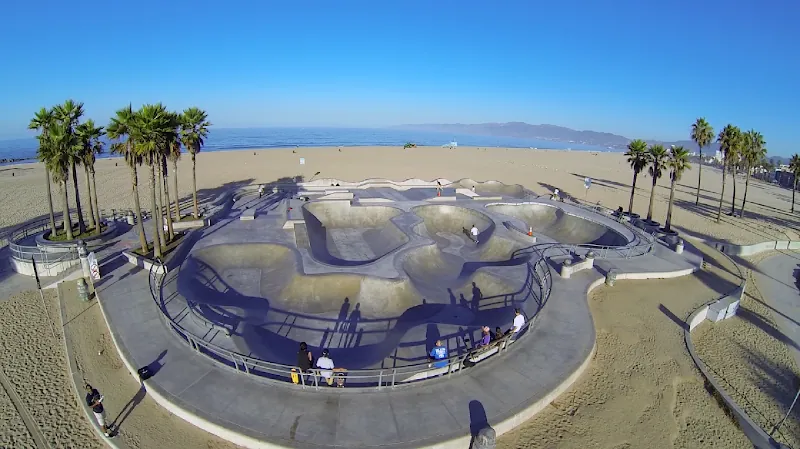
Walking into a skate park for the first time, you'll notice the layout before anything else. Most facilities are organized around specific features: bowls, half-pipes, quarter-pipes, street sections with stairs and ledges, and flow areas for beginners. Bigger parks have all of these. Smaller ones might focus on just one or two.
Indoor skate parks often have a front desk or check-in area where you pay your session fee, sign a waiver, and sometimes rent gear. Some have a small retail section selling wheels, bearings, grip tape, and branded apparel. A few of the larger ones sell complete setups and do basic board repairs on site.
Honestly, the smell hits you before the layout does. There's a specific mix of rubber, wax, and industrial flooring that every indoor skate park seems to share. It's not unpleasant, just distinctive.
Outdoor public parks skip most of that. No check-in, no waiver, no fee. You show up, you skate. Some have lighting for evening sessions. Many do not. Check before you go if you're planning to ride after dark.
3. How Skate Parks Differ From Each Other
Not every skate park is built for the same rider. That's the part most people don't realize until they show up somewhere that doesn't match their skill level.
Beginner-friendly parks tend to have wide, low-angle ramps, open floor space, and staff who are approachable if you have questions. Parks aimed at intermediate and advanced skaters pack in more technical features: steeper transitions, tighter bowls, higher obstacles. Some have separate beginner zones. Many don't, and that can feel intimidating if you're just starting out.
Indoor versus outdoor is the most obvious split, but surface material matters just as much. Concrete skates differently than wood, and smooth concrete skates differently than rough concrete. Most indoor parks use either smooth concrete or skatelite, a manufactured surface that's fast and consistent. Outdoor parks are almost always concrete, and quality varies a lot depending on how recently it was poured and how well it's been maintained.
A facility with a good maintenance routine is worth finding and sticking with. Cracks, standing water, and rough patches are not just annoying; they're hazards.
4. How Skate Parks Compare to Similar Options
Some people assume a skate park is just a skate park, the same way a gym is a gym. That's not quite right.
Skate parks are purpose-built for board and wheel sports. They're different from general recreation centers, which might have a small skate area tucked into a corner but don't dedicate real space to it. They're also different from pump tracks, which are looped circuits designed mostly for BMX and mountain bikes, and from roller rinks, which are flat oval surfaces built for speed and dance skating rather than tricks.
If you're looking for a place to learn skateboarding or improve specific skills, a dedicated skate park is the right call. A general rec center with a small ramp section will not give you the variety of features or the community of other skaters that makes progression actually happen.
And that community piece matters more than people give it credit for. Good skate parks attract regulars who are usually willing to help beginners, point out which features are best for learning, and generally make the place feel welcoming rather than cliquey. Reading through reviews before you visit is one of the best ways to get a read on the vibe at a specific park. That's exactly what the listings on Skate Park Pal are good for.
Find a park near you, check what real visitors are saying, and go ride.